


Neem Oil Farming Benefits: Unlocking Nature’s Power for Commercial Agriculture
- Prerana Agro Industries

- Mar 20
- 4 min read
Neem oil has emerged as a powerful natural solution in the world of agriculture. As someone deeply invested in sustainable farming practices, we have witnessed firsthand how neem oil can transform crop health and yield. Today, we want to share with you the many benefits of neem oil farming and how it is revolutionizing commercial agriculture globally.
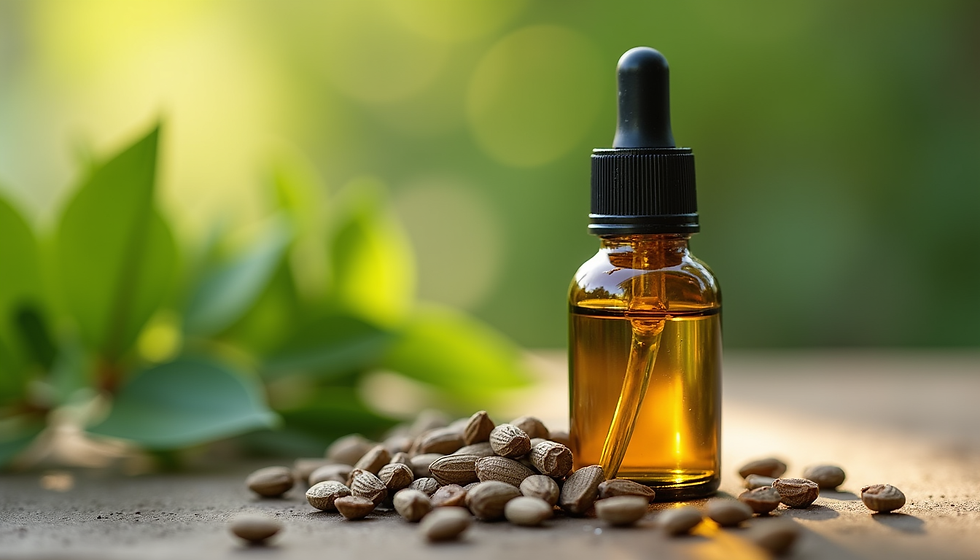
Neem oil is extracted from the seeds of the neem tree (Azadirachta indica), a tree native to the Indian subcontinent. This oil is rich in bioactive compounds that act as natural pesticides, fungicides, and growth enhancers. Its versatility and eco-friendly nature make it an ideal choice for farmers and agricultural businesses aiming to reduce chemical inputs and promote organic farming.
The Remarkable Neem Oil Farming Benefits
The benefits of neem oil in agriculture are extensive and well-documented. Here are some of the key advantages that make neem oil a game-changer for commercial farming:
1. Natural Pest Control
Neem oil contains azadirachtin, a compound that disrupts the life cycle of many harmful insects. It acts as an antifeedant, repellent, and growth regulator, effectively controlling pests such as aphids, whiteflies, mealybugs, and caterpillars. Unlike synthetic pesticides, neem oil targets pests without harming beneficial insects like bees and ladybugs.
2. Disease Management
Fungal diseases like powdery mildew, rust, and blight can devastate crops. Neem oil’s antifungal properties help prevent and control these diseases by inhibiting spore germination and fungal growth. This reduces the need for chemical fungicides, promoting healthier plants and safer produce.
3. Soil Health Improvement
Neem oil and neem cake (the residue after oil extraction) enrich the soil by enhancing microbial activity. This leads to better nutrient cycling and improved soil structure. Healthier soil supports stronger root systems and higher crop productivity.
4. Environmentally Friendly and Safe
One of the most compelling benefits of neem oil farming is its safety profile. Neem oil is biodegradable and non-toxic to humans, animals, and the environment when used correctly. This makes it an excellent choice for organic farming and sustainable agriculture initiatives.
5. Cost-Effective and Accessible
Neem trees are widely grown in many regions, making neem oil a locally available and affordable resource. Its multifunctional use reduces the need for multiple chemical inputs, lowering overall production costs.

How to Use Neem Oil Effectively in Commercial Agriculture
To maximize the benefits of neem oil, it is essential to apply it correctly. Here are some practical tips for using neem oil in commercial farming:
Dilution: Neem oil should be diluted with water and a mild emulsifier (like liquid soap) before spraying. A typical concentration ranges from 0.5% to 2%, depending on the crop and pest pressure.
Timing: Apply neem oil early in the morning or late in the afternoon to avoid direct sunlight, which can degrade the oil and harm plants.
Frequency: Regular applications every 7 to 14 days help maintain pest and disease control throughout the growing season.
Targeted Spraying: Focus on the undersides of leaves and affected areas for better coverage and effectiveness.
Integrated Pest Management (IPM): Combine neem oil with other sustainable practices such as crop rotation, resistant varieties, and biological controls for optimal results.
By following these guidelines, farmers can harness the full potential of neem oil while minimizing waste and environmental impact.
Neem Oil’s Role in Sustainable and Organic Farming
Sustainability is no longer just a buzzword; it is a necessity for the future of agriculture. Neem oil plays a pivotal role in this transition by offering a natural alternative to harmful chemicals. Its use aligns perfectly with organic farming standards and certifications.
Farmers who adopt neem oil for commercial farming benefit from:
Reduced chemical residues on crops, enhancing food safety.
Improved biodiversity by protecting beneficial insects and soil organisms.
Lower environmental pollution due to biodegradable properties.
Enhanced marketability of organic and eco-friendly produce.

Practical Recommendations for Integrating Neem Oil into Your Farming Practices
If you are considering neem oil for your commercial agriculture needs, here are some actionable steps to get started:
Assess Your Crop Needs: Identify the pests and diseases affecting your crops and determine if neem oil is suitable for control.
Source Quality Neem Oil: Choose neem oil with verified concentration and purity from trusted suppliers.
Train Your Team: Educate farm workers on proper handling, dilution, and application techniques.
Monitor and Record: Keep detailed records of neem oil applications and observe crop responses to optimize usage.
Combine with Other Practices: Use neem oil as part of an integrated pest management strategy for sustainable results.
By implementing these steps, you can enhance crop health, reduce chemical dependency, and contribute to a greener planet.
Embracing Neem Oil for a Greener Agricultural Future
The journey towards sustainable agriculture is ongoing, and neem oil stands out as a beacon of hope. Its natural properties, combined with practical benefits, make it an indispensable tool for modern farmers and agricultural businesses. By choosing neem oil, you are not only protecting your crops but also nurturing the environment and supporting the global movement towards organic farming.
We encourage you to explore the potential of neem oil for commercial farming and join the growing community of farmers who are making a positive impact with nature’s gift. Together, we can cultivate healthier crops, safer food, and a more sustainable world.
Prerana Agro Industries is committed to supplying premium neem-based products worldwide, empowering farmers to embrace natural solutions and sustainable agriculture.


Comments