


Neem Oil: A Natural Solution for Banana Crop Protection
- Prerana Agro Industries

- Nov 18, 2025
- 3 min read
Updated: Feb 7
Understanding Neem Oil
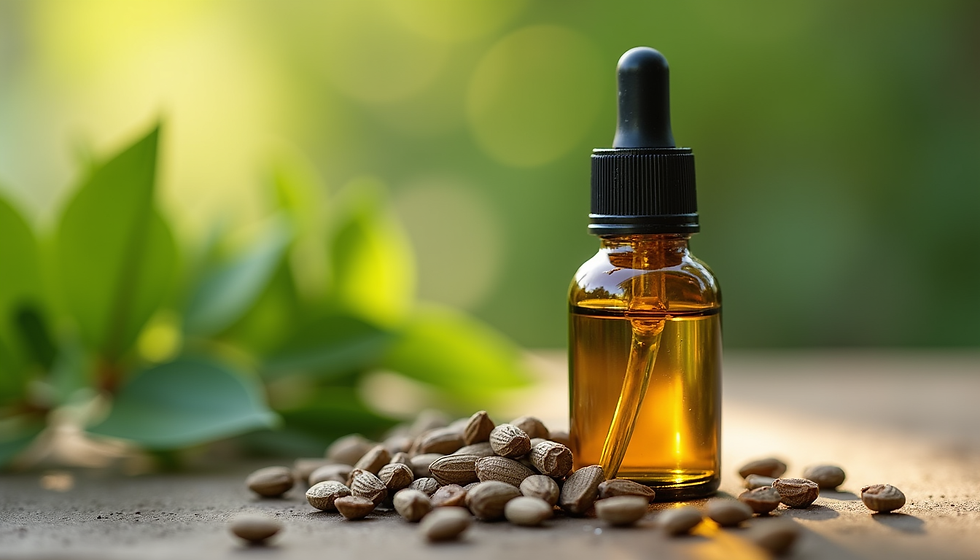
Neem oil is derived from the seeds of the neem tree (Azadirachta indica), a tree native to the Indian subcontinent. For centuries, various parts of the neem tree have been used in traditional medicine, cosmetics, and agriculture due to their potent insecticidal, fungicidal, and antibacterial properties. The primary active compound responsible for neem oil's efficacy is azadirachtin.
How Neem Oil Works Against Banana Pests
Neem oil offers a multi-pronged approach to pest management, making it a valuable tool for banana farmers:
Antifeedant: Azadirachtin makes treated plants unpalatable to pests, deterring them from feeding. This reduces crop damage and can lead to starvation in severe infestations.
Insect Growth Regulator (IGR): Neem oil disrupts the hormonal system of insects, preventing them from maturing, molting, and reproducing effectively. This breaks the pest life cycle, leading to a decline in their population over time.
Repellent: The strong odor and taste of neem oil can repel pests, discouraging them from even landing on banana plants.
Systemic Action (to some extent): When applied to the soil, neem oil can be absorbed by the roots and translocated throughout the plant, offering internal protection against sap-sucking insects.
Low Toxicity to Beneficials: Unlike many synthetic pesticides, neem oil generally has low toxicity to beneficial insects like pollinators and natural predators, helping to maintain a balanced ecosystem in the banana plantation.
Target Pests in Banana Crops
Neem oil can be effective against a range of banana pests, including:
Banana Weevil (Cosmopolites sordidus): Neem oil can deter adults from laying eggs and affect the development of larvae.
Nematodes (Radopholus similis, Pratylenchus coffeae): Soil drench applications can help suppress nematode populations in the root zone.
Thrips (Hercinothrips femoralis): Foliar sprays can deter thrips and disrupt their life cycle.
Aphids and Mealybugs: These sap-sucking insects are also susceptible to neem oil's antifeedant and growth-regulating properties.
Application Tips for Banana Farmers
To maximize the effectiveness of neem oil, consider the following application tips:
Dilution: Always dilute neem oil with water, typically at a concentration of 0.5% to 2%. Add an emulsifying agent (like a mild liquid soap) to help it mix properly.
Foliar Spray: Apply as a fine spray to all parts of the banana plant, including the undersides of leaves, where many pests hide.
Soil Drench: For soil-borne pests like nematodes, apply diluted neem oil directly to the soil around the base of the plants.
Timing: Apply during cooler parts of the day (early morning or late evening) to prevent leaf burn and ensure better absorption.
Frequency: Regular applications (e.g., every 7-14 days) are crucial for effective pest management, especially during periods of high pest activity.
Storage: Store neem oil in a cool, dark place, as it can degrade when exposed to light and heat.
Benefits of Using Neem Oil
Using neem oil provides several advantages for banana farmers:
Sustainable Agriculture: Neem oil supports organic farming practices, helping to reduce reliance on harmful chemicals.
Environmental Safety: Its low toxicity to beneficial insects helps maintain a healthy ecosystem.
Cost-Effective: Neem oil can be a more affordable option compared to synthetic pesticides in the long run.
Improved Crop Quality: By reducing pest damage, neem oil can enhance the overall quality of banana crops.
Conclusion
Integrating neem oil into a comprehensive pest management strategy for banana crops offers a sustainable and environmentally responsible alternative to synthetic chemicals. By understanding its mode of action and applying it correctly, banana farmers can protect their yields, promote healthier plants, and contribute to a more sustainable agricultural future. Embracing natural solutions like neem oil not only benefits individual farms but also supports the broader goal of promoting organic practices in agriculture.
By choosing neem oil, we can help farmers move away from harmful chemicals and promote sustainable, organic agriculture worldwide.


Comments